
Expert Picks For Pest Control Service Supplies
Get insights into the must-have products that ensure thorough pest elimination and customer satisfaction in professional services.
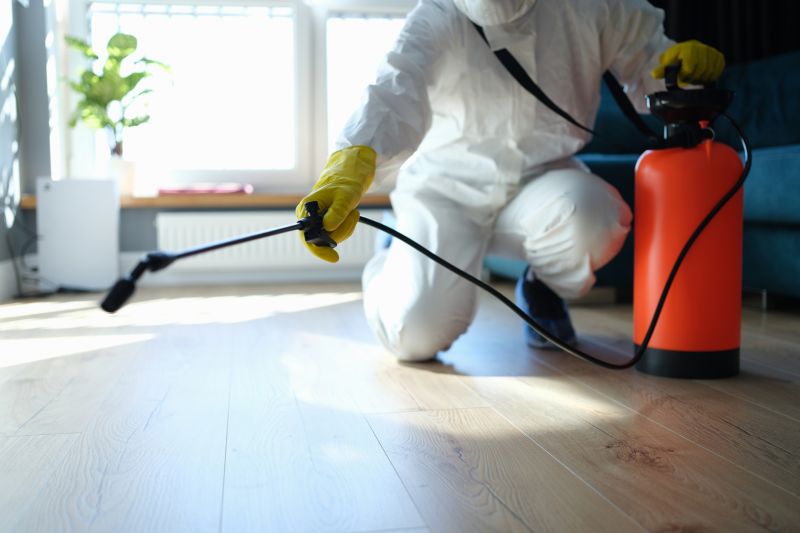 Effective pest control is essential for maintaining a safe and comfortable environment in residential and commercial properties. In Sachse, TX, where diverse pests such as ants, termites, rodents, and insects can pose challenges, selecting the right products is crucial. A comprehensive pest control approach often involves a combination of various tools and substances designed to target specific pests and prevent infestations. From liquid sprays to bait stations, there are numerous options available to professional pest control services and diligent homeowners alike.
Top Overall Option
Comprehensive Pest Control Kit
A versatile pest control kit that includes a variety of sprays, baits, traps, and dusts designed to address multiple pest types. It offers a convenient all-in-one solution suitable for both professional and at-home use, providing flexibility to target different pests effectively.
Types of Products For Pest Control Service
Residual Liquid Sprays
Used to create a lasting barrier on surfaces and around structures to deter pests from entering or remaining in treated areas.
Bait Stations
Attract pests with bait and eliminate colonies or individuals through targeted poisoning, suitable for ants, cockroaches, and rodents.
Rodent Traps
Mechanical or electronic traps designed to capture or kill rodents, aiding in population control and monitoring.
Insect Dusts
Powder formulations applied in cracks, crevices, and wall voids to target hidden insects like termites and ants.
Ultrasonic Repellents
Devices that emit high-frequency sounds intended to deter pests without chemicals, often used as supplementary tools.
Natural Repellents
Chemical-free options that use natural ingredients to repel pests, suitable for sensitive environments.
Insect Growth Regulators
Products that interfere with pest development, helping to control populations over time.
Foggers and Aerosols
Quick-acting aerosol sprays and fogging devices for immediate pest knockdown in confined spaces.
Glue Boards
Sticky traps used to monitor or capture pests like flies and cockroaches in strategic locations.
Door and Window Screens
Physical barriers that prevent pest entry while allowing airflow and visibility.
Pest Monitoring Devices
Sensors and traps that help identify pest activity and infestation levels for targeted treatment.
Sanitation Supplies
Cleaning tools and products that eliminate food sources and hiding spots for pests.
Popular Choices
All-around sprays suitable for various pests, easy to apply in different areas.
Pre-portioned bait designed for rodent control, often used in bait stations.
Targeted gel formulations that attract and eliminate cockroaches effectively.
Popular devices for ongoing pest deterrence in residential and commercial settings.
Sticky or lighted traps used to monitor and reduce flying insect populations.
Powder treatments suitable for cracks and voids where pests hide.
Manual and trap-based solutions for controlling flying insects.
Quick-use aerosol sprays for immediate pest knockdown in targeted areas.
Physical barriers like caulking and sealants to block pest entry points.
Devices that help detect pest activity early to inform treatment decisions.
Products that reduce pest attractants by maintaining cleanliness.
Proper pest management begins with understanding the different types of products suited for various situations. Chemical treatments like residual sprays can help create a barrier around structures, while bait stations attract pests and eliminate colonies effectively. Traps are useful for monitoring and reducing rodent populations, and dusts are often applied in hard-to-reach areas to target insects hiding within walls and cracks. In addition, ultrasonic devices and natural repellents can serve as supplementary options for ongoing pest deterrence.
Choosing the right products depends on factors such as the type of pest, the severity of the infestation, and the area to be treated. Safety considerations, ease of application, and the longevity of the product’s effectiveness are also important. Professional pest control services in Sachse, TX, often utilize a tailored combination of these tools to achieve optimal results. Whether for routine maintenance or targeted treatment, understanding the array of available products can help ensure effective, safe, and efficient pest management.
By investing in quality pest control products, service providers and property owners can better manage pest issues and minimize potential damage or health risks. Proper application and adherence to safety guidelines are essential to maximize effectiveness and protect inhabitants. As pest challenges evolve, staying informed about the latest product options can support proactive and responsive pest management strategies.
Key Buying Considerations
- Identify the specific pest problem to select the most effective product type.
- Consider the severity and scale of the infestation for appropriate treatment options.
- Check the safety instructions and recommended application methods for each product.
- Evaluate the area of application to ensure the product is suitable for indoor or outdoor use.
- Determine the longevity or residual effect of the product to plan reapplication intervals.
- Assess whether the product is suitable for use around children or pets if applicable.
- Review the ease of application, especially for DIY treatments or professional use.
- Understand the environmental conditions that might affect product performance.
- Look for products that offer targeted solutions for specific pests like ants, termites, or rodents.
- Consider compatibility with other pest control methods or products already in use.
- Check for certifications or safety standards met by the product.
- Estimate the total coverage area to ensure sufficient quantity for the job.
- Evaluate the potential for odor or residue after application.
- Research customer reviews or expert recommendations for insights on effectiveness.
- Plan for ongoing pest management and prevention strategies beyond initial treatment.